How continuous water monitoring can uncover hidden leaks, prevent unnecessary costs and protect commercial properties.
An empty commercial building should be relatively inexpensive to run. With nobody using the facilities, you’d certainly expect water consumption to be minimal.
But what happens when something goes wrong and nobody is there to notice?
One particularly interesting example involved an unoccupied office building where overflowing toilets were going undetected. The potential water waste was enormous, equivalent to five Olympic-sized swimming pools over the course of a year.
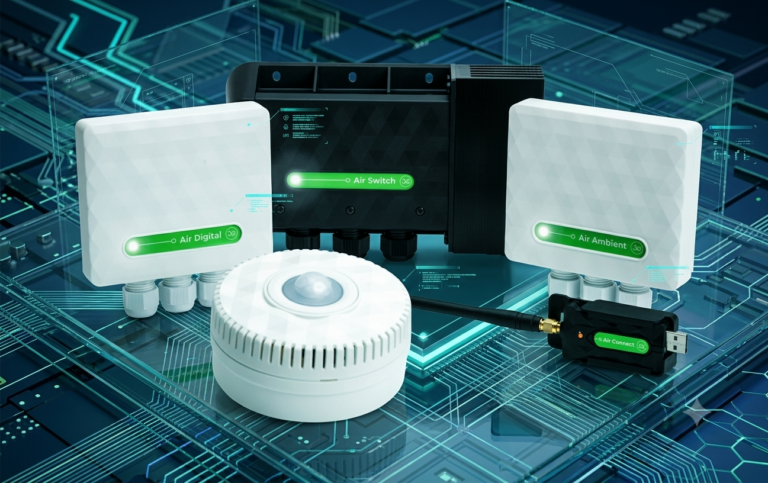
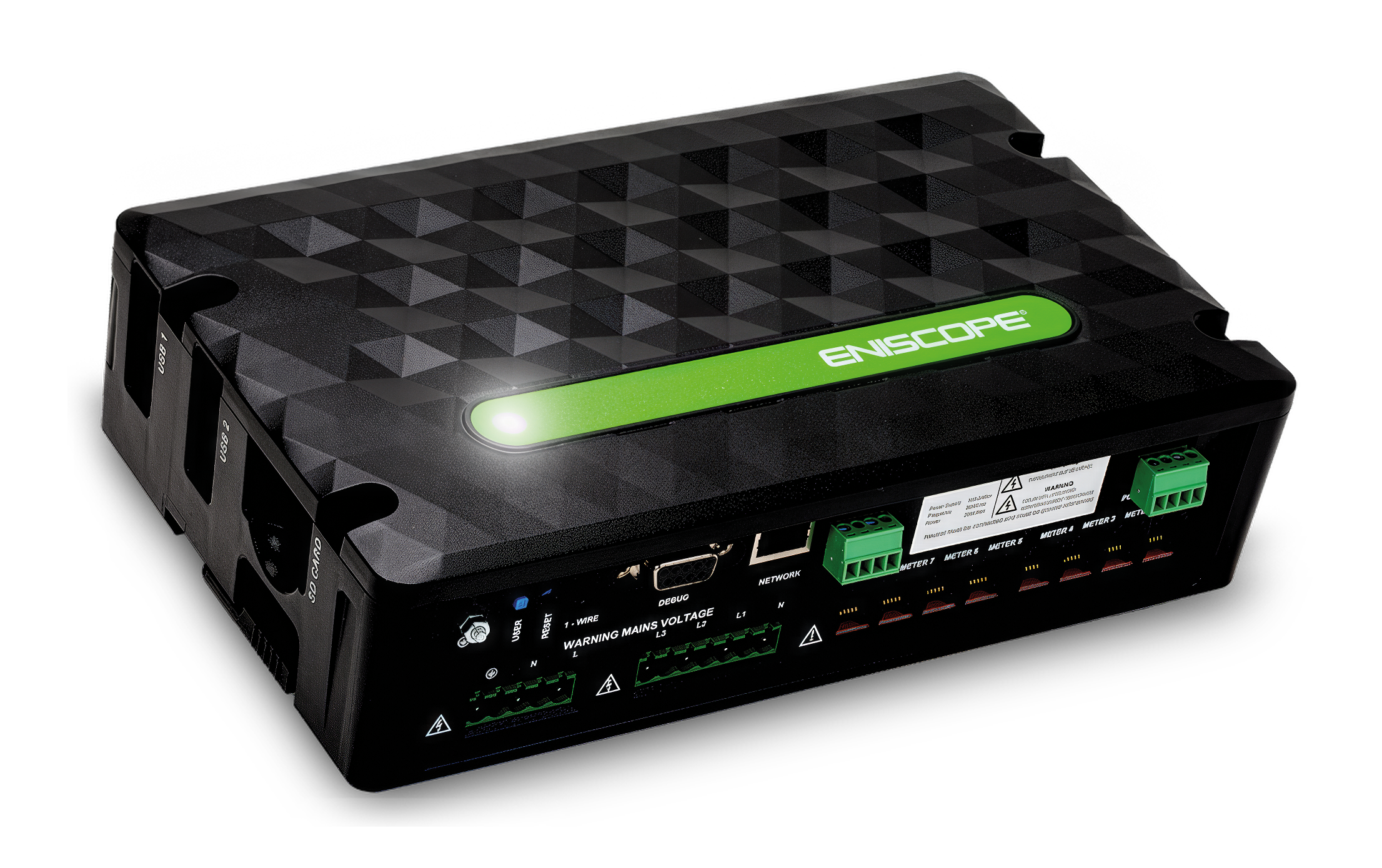
The problem was identified through continuous monitoring using Eniscope and pulse sensors.
It’s a useful reminder of just how expensive an apparently minor maintenance issue can become when left unnoticed.
An empty building still needs watching
For businesses managing several properties, particularly those with vacant floors, temporarily closed premises or buildings awaiting new tenants, keeping track of water consumption isn’t necessarily a priority.
Facilities teams have enough to deal with already. And unless there’s visible flooding or someone reports a problem, a leaking toilet or faulty water system can continue for weeks.
The monthly water bill might eventually raise questions, but by then considerable waste may have occurred.
How pulse monitoring helps
Pulse sensors connected to the Eniscope monitoring system can track water consumption and provide ongoing information about usage patterns.
This makes it possible to identify unusual activity, such as water continuing to flow overnight or consumption increasing unexpectedly in an unoccupied building.
Rather than relying entirely on someone noticing a problem during a routine inspection, the monitoring data can highlight something that needs investigating.
And the benefits extend beyond the water bill. Early identification of leaks or abnormal consumption may also help prevent property damage, unnecessary maintenance costs and disruption when a building returns to use.
There’s a wider lesson here
At Enerwise, we spend a lot of time talking about energy efficiency, but monitoring can provide valuable insight into other resources too.
The principle is much the same. Small faults can become expensive when they continue unnoticed, particularly across a portfolio of commercial properties.
Our starting point is a complimentary Gap Analysis and Energy Savings Report, looking at existing consumption, operating practices and potential opportunities for improvement.
It helps businesses understand where waste may be occurring and whether more detailed monitoring would be worthwhile.
After all, even an empty building can have a surprisingly expensive water bill.